Learners Licence Test Questions and Answers 2026
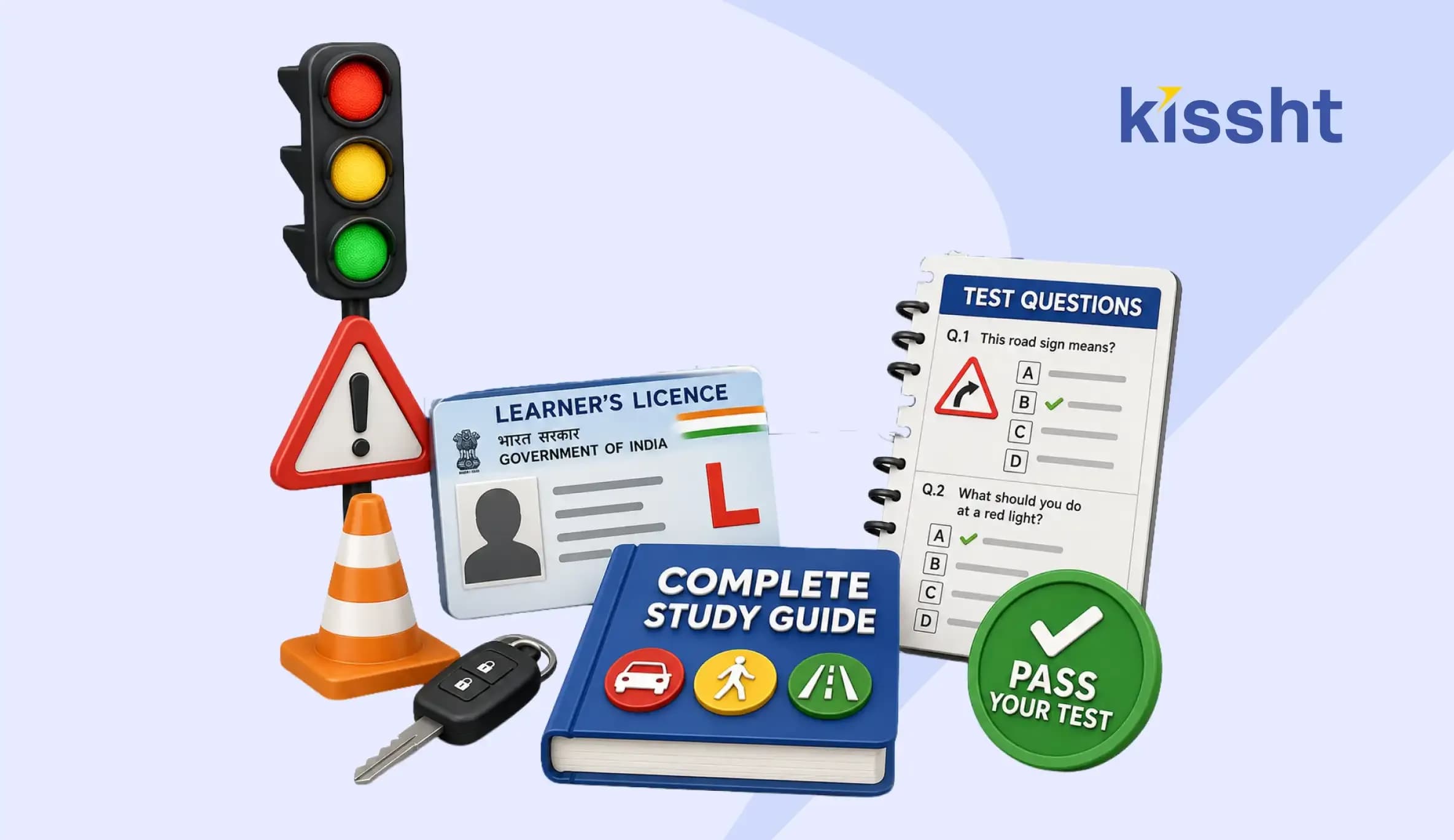
Obtaining a learner’s licence is one of the first steps towards becoming a responsible driver in India. Before receiving a permanent driving licence, applicants must clear a written or online examination conducted by the Regional Transport Office (RTO). The assessment usually checks understanding of traffic rules, road signs, safety regulations, and responsible driving behaviour.
Many applicants now prefer online study material, mock quizzes, and digital preparation tools before appearing for the exam. Learners also use a personal loan and a personal loan EMI calculator while planning vehicle purchases, driving school fees, and related expenses. Digital platforms, including an online loan app and the Kissht loan app, have also simplified financial planning for first-time vehicle buyers preparing for the RTO learning licence test. Whether you are practising learner license test questions, searching for driving licence test questions with answers, or downloading an RTO learning licence test questions PDF, proper preparation can improve confidence before the exam.
Most states now conduct the examination digitally through multiple-choice questions related to road signs, traffic laws, penalties, and safe driving practices. Many applicants also refer to a learning licence test book PDF download** or state-specific preparation material such as learning licence test questions PDF Maharashtra before appearing for the examination.
What Is the Learner’s Licence Test?
The learner’s licence examination checks whether applicants understand:
- Traffic signs and signals
- Speed regulations
- Lane discipline
- Parking rules
- Emergency road behaviour
- Safe driving practices
The test format may vary slightly across states, but the overall structure remains similar nationwide.
Common Topics Covered in the Exam
Most learners test questions and answers are based on practical road awareness and traffic safety.
Traffic Signs
Applicants are expected to identify warning, mandatory, and informatory signs.
Common examples include:
- No Parking
- Speed Limit
- School Ahead
- One Way
- Pedestrian Crossing
Road Safety Rules
Questions often include:
- Helmet usage
- Seat belt regulations
- Mobile phone restrictions while driving
- Safe overtaking practices
- Parking regulations
Driving Responsibilities
Applicants are also tested on:
- Following lane discipline
- Responding to traffic signals
- Maintaining safe distance between vehicles
- Giving way to emergency vehicles
Learners Licence Test Questions and Answers
Here are some commonly asked questions that frequently appear in online mock tests and learner’s licence preparation material.
1 . Why is it important to stop before the white stop line at a traffic signal?
The stop line helps maintain safe distance between vehicles and pedestrian crossings. Crossing it during a red signal can create unsafe situations for both pedestrians and other motorists.
2 . What should drivers do when approaching a school zone?
Drivers should reduce speed, stay alert for children crossing the road, and carefully follow warning signs placed near the school area.
3 . Why is lane discipline considered important while driving? Proper lane discipline helps maintain smooth traffic movement, reduces sudden collisions, and improves overall road safety on busy roads and highways.
4 . What does a flashing yellow traffic signal generally indicate?
A flashing yellow signal advises drivers to slow down, remain cautious, and proceed carefully after checking surrounding traffic.
5 . Why should drivers avoid using mobile phones while driving? Mobile phone usage distracts drivers, reduces concentration, and slows reaction time, increasing the possibility of accidents.
6 . What should a driver do after noticing an ambulance approaching from behind?
Drivers should safely move aside and provide enough space for the emergency vehicle to pass without obstruction.
7 . Why are helmets compulsory for two-wheeler riders?
Helmets significantly reduce the risk of severe head injuries and improve rider safety during accidents.
8 . What precautions should drivers take during rainy weather?
Drivers should reduce speed, maintain greater braking distance, switch on headlights when visibility drops, and avoid sudden turns on slippery roads.
9 . Why should overtaking near a zebra crossing be avoided?
Overtaking near pedestrian crossings can block visibility and increase accident risk for people crossing the road.
10 . What does a triangular traffic sign usually represent?
Triangular signs generally indicate caution or warning about upcoming road conditions or possible hazards.
11 . Why should drivers maintain a safe distance from the vehicle ahead?
Safe distance provides enough reaction time during sudden braking, sharp turns, or unexpected traffic conditions.
12 . What is the purpose of speed limits on roads?
Speed limits help control traffic flow, reduce accidents, and improve safety for both drivers and pedestrians.
13 . Why is it necessary to wear a seat belt while driving?
Seat belts help minimise injuries during sudden braking, collisions, or accidents by keeping passengers securely positioned.
14 . What should drivers do before changing lanes?
Drivers should check mirrors, use indicators, and ensure the next lane is clear before moving safely.
15 . Why are one-way traffic rules important?
One-way systems help reduce congestion, improve traffic flow, and lower the possibility of collisions on busy roads.
16 . What should drivers do when they see a “No Parking” sign?
Drivers should avoid parking their vehicle in that area to prevent obstruction, penalties, or towing action.
17 . Why should drivers avoid sudden braking whenever possible?
Sudden braking can surprise vehicles behind and increase the risk of rear-end collisions, especially during heavy traffic.
18 . What is the importance of indicators while driving?
Indicators inform other road users about turning or lane-changing intentions, helping maintain safer traffic movement.
19 . Why should drivers follow traffic signals even during low traffic hours?
Traffic signals regulate movement at intersections and help prevent accidents regardless of road traffic volume.
20 . What should drivers check before starting a vehicle for a long drive?
Drivers should check fuel levels, brakes, tyres, headlights, indicators, mirrors, and important vehicle documents before beginning the journey.
How to Prepare Effectively
Consistent preparation can improve both confidence and accuracy during the examination.
Study Traffic Signs Regularly
Many applicants lose marks because they confuse warning and mandatory signs. Regular revision improves recognition speed.
Practise Mock Tests
Several websites and apps now provide practice quizzes similar to actual RTO examinations.
Use State-Specific Material
Traffic rules and formats may differ slightly across states. Applicants from Maharashtra often refer to learning licence test questions PDF Maharashtra resources before appearing for the exam.
Revise in Short Sessions
Daily revision usually helps applicants retain information more effectively than last-minute preparation.
Passing Marks and Exam Format
Most learner’s licence examinations are conducted through computer-based multiple-choice tests. Applicants are generally assessed on:
- Traffic signs
- Safety awareness
- Driving responsibilities
- Speed regulations
- Basic traffic laws
In many states, candidates must secure minimum qualifying marks to pass the test.
Validity and Online Booking Process
A learner’s licence in India is generally valid for six months from the date of issue. Applicants can usually book the examination through the Parivahan portal or state transport department websites by:
- Filling personal details
- Uploading required documents
- Selecting the licence category
- Booking a slot online
- Paying the application fee digitally
Several states now conduct the process digitally, although some RTOs may still require physical verification.
Planning Vehicle Expenses After Getting a Licence
Many first-time drivers begin comparing vehicle options soon after receiving their learner’s licence. Buyers generally evaluate:
- Down payment requirements
- Insurance expenses
- Fuel costs
- Monthly EMIs
- Registration charges
Digital budgeting tools and a properly planned personal loan can help buyers estimate affordability more comfortably before purchasing a vehicle.
FAQs
How can applicants improve their chances of clearing the learner’s licence exam?
Regular mock test practice, traffic sign revision, and understanding basic road safety rules can help applicants perform better during the examination.
What are the most important areas to study before the exam?
Traffic signs, lane discipline, parking rules, speed regulations, and emergency road behaviour are among the most important topics commonly included in the examination.
Can applicants prepare for the exam online?
Yes, many applicants now prepare through mobile apps, PDFs, online quizzes, and mock tests that provide practical driving-related questions and answers.




Instant Loans at Your Fingertips


Personal Loan
Fast, hassle-free loan for your personal needs.

Business Loan
Fuel your business growth with quick approvals.

Loan Against Property
Unlock your property’s value with ease.

Credit Pulse
Boost your credit score with smart insights.

Track your credit score
Simply enter your mobile number to get a quick overview of your credit score.
Check Now

Related articles
Jun 6, 2026
Top safest cars in India: 5-Star NCAP Rated Models
Jun 9, 2026
What Is CIN (Corporate Identification Number)

Jun 7, 2026
Pradhan Mantri Awas Yojana Eligibility: Who Can Apply in 2026?

Jun 8, 2026
What to Gift Your Father on Father's Day 2026: Thoughtful Gift Ideas for Every Budget
Feb 23, 2026
How to Apply Electric Vehicle Subsidy in India 2026: Eligibility, Amount & Process
May 26, 2026
Diwali 2026: Date, Puja Muhurat & Lakshmi Puja Timing

May 25, 2026
Ganesh Chaturthi Holiday 2026: Date and Puja Muhurat Details
May 26, 2026
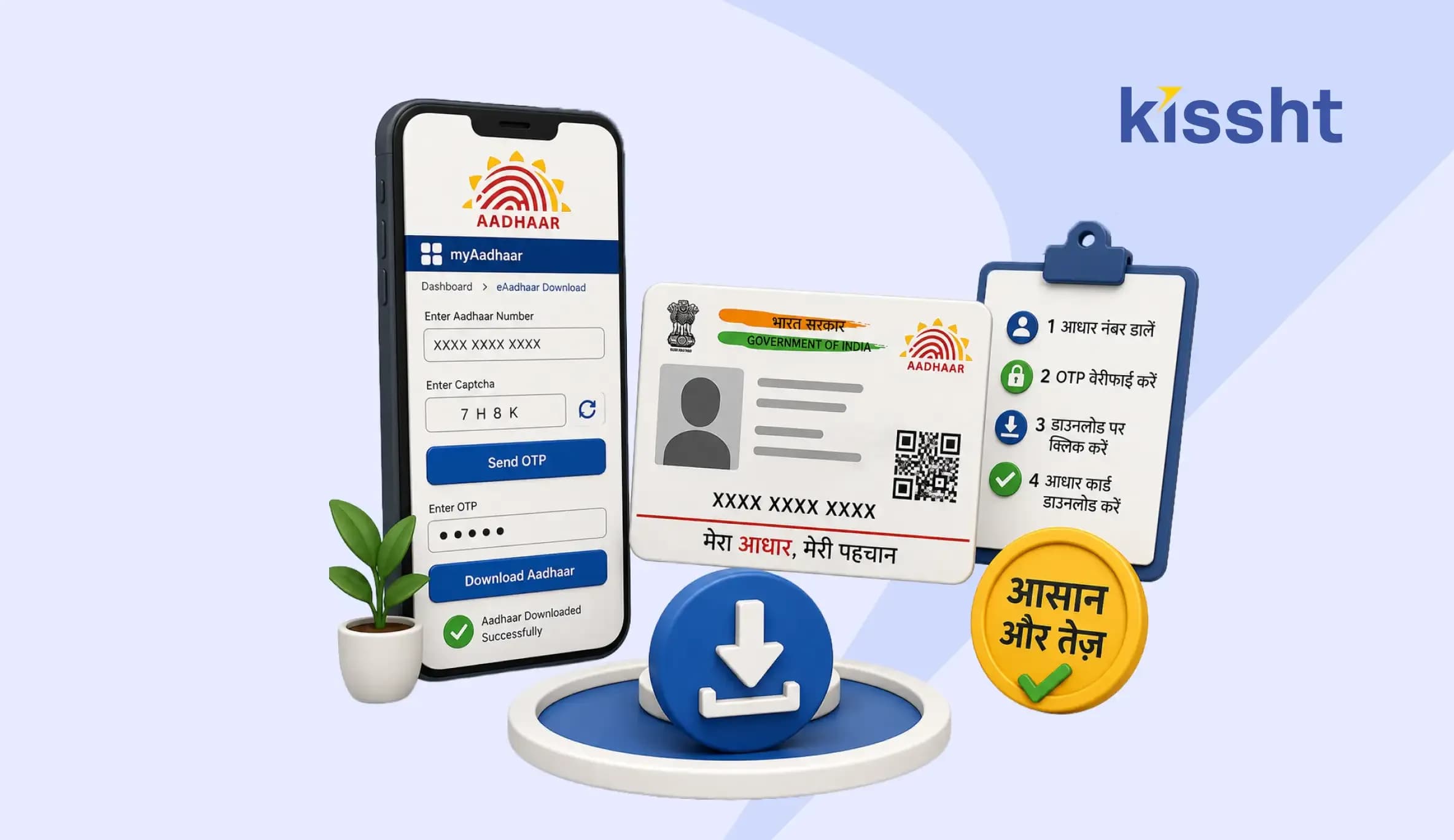
आधार कार्ड कैसे डाउनलोड करें? सबसे आसान तरीका
May 24, 2026
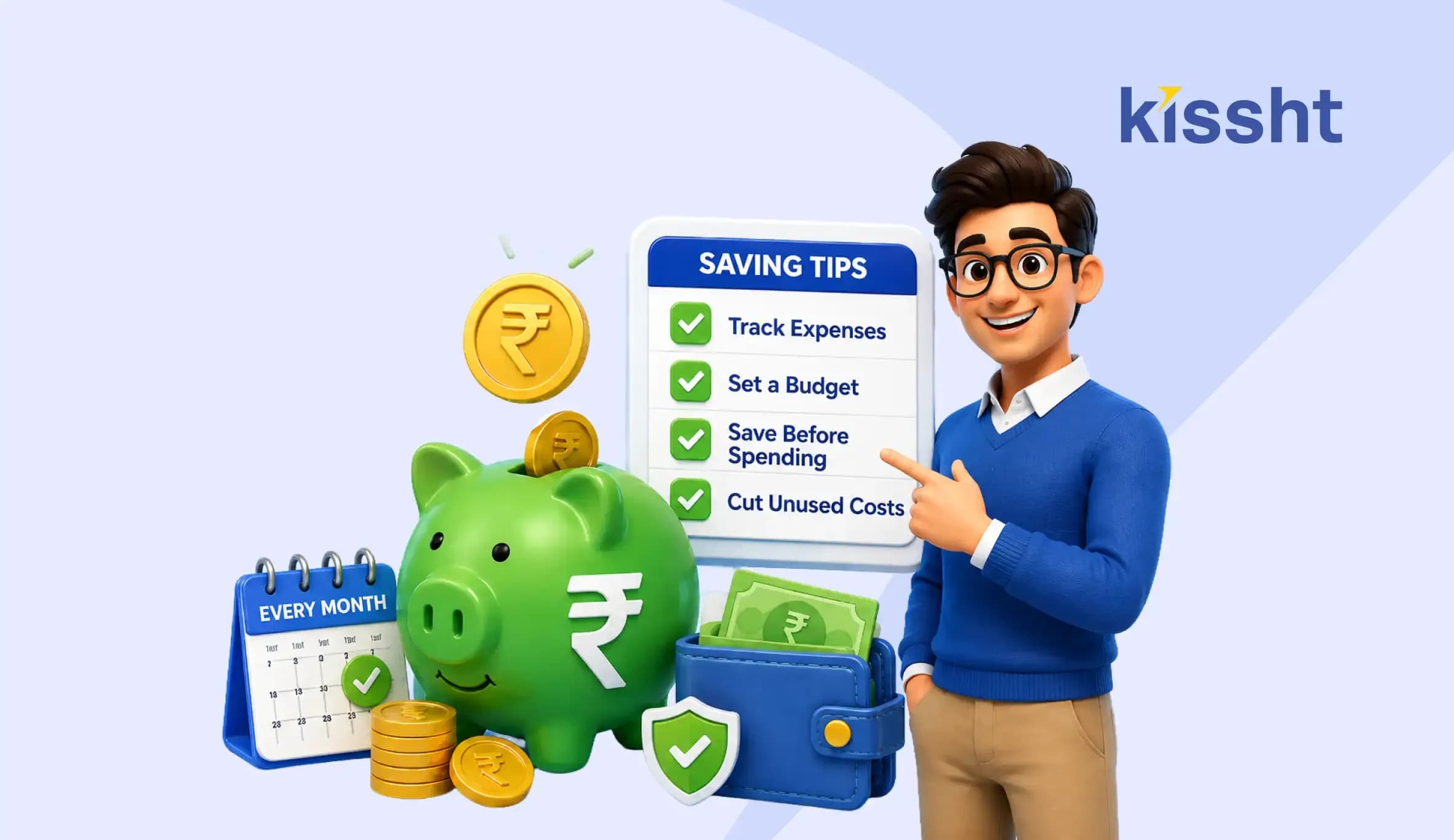
Money Saving Tips - List of Ways to Save Money Every Month

May 25, 2026
Best Tourist Places in India 2026
May 23, 2026
Best Cars Under 5 Lakh in 2026: Affordable Yet Reliable Options

May 25, 2026